






Earn cash back
after close!
With Home Connect, you could earn $350 to $9,500 cash back after close.
Key Takeaways:
- The Federal Reserve sets a target range for short-term interest rates, not mortgage rates
- Broader market conditions shape mortgage rates
- Fixed and adjustable-rate loans respond differently to rate changes
- Fed decisions can influence borrowing costs over time
- Knowing how rates work can help you plan your next move
What Is the Federal Reserve?
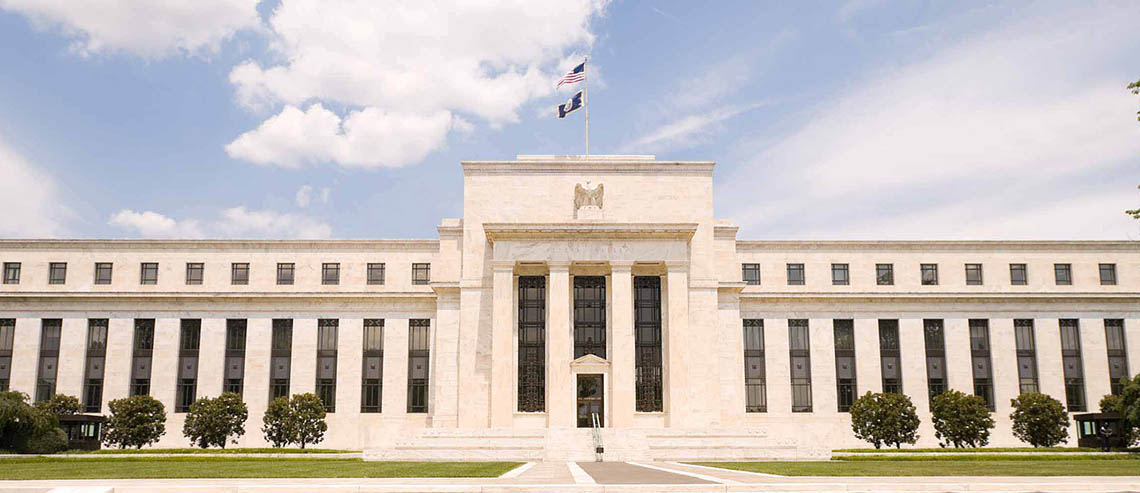
The Federal Reserve, often called the Fed, is the central bank of the United States. It plays a key role in keeping the financial system running smoothly and the economy on stable ground.
What Does the Federal Reserve Do?
The Fed helps shape economic conditions by managing how money flows through the economy.
Some of its core responsibilities include:
- Setting a target range for the federal funds rate: The Fed sets a target range for this rate, which is the interest rate banks charge each other for very short-term loans.
- Promoting stable prices: It works to keep inflation at a manageable level so the cost of goods and services doesn’t rise too quickly.
- Supporting employment: The Fed aims to foster conditions that encourage job growth and a steady labor market.
- Maintaining financial stability: It monitors the banking system and helps prevent disruptions that could impact the economy.
How the Federal Reserve Influences Mortgage Rates
The Federal Reserve doesn’t directly set mortgage rates, but its decisions help shape the broader interest rate environment.
Short-Term Rates Set the Foundation
When the Fed adjusts the target range for the federal funds rate, it shapes broader short-term interest rates and influences banks’ borrowing and lending costs. Those changes impact how financial institutions price loans and investments, which in turn affects borrowing costs across the economy.
Market Expectations Drive Mortgage Rates
Mortgage rates are more closely tied to longer-term factors, like bond yields and inflation expectations. In particular, they often move in line with the yield on 10-year U.S. Treasury notes or mortgage-backed securities (MBS), which reflect how investors view future economic conditions and Fed policy.
Fixed Vs. Adjustable-Rate Mortgages: How Each Responds to Fed Changes
Not all home loans respond to rate changes in the same way. The impact depends on the type of mortgage you have or are considering.
Here’s how the two most common options compare:
- Fixed-rate mortgage: Your interest rate stays the same for the life of the loan. That means your principal and interest payment remains steady, even as rates shift in the broader market.
- Adjustable-rate mortgage (ARM): Your rate starts fixed for a set period, then adjusts at regular intervals based on current market conditions. As rates change, your monthly payment can go up or down.
Because of their structure, ARMs tend to respond more quickly to changes tied to short-term rates. Fixed-rate mortgages are influenced more by longer-term trends, making them less sensitive to short-term shifts.
How Fed Decisions Can Affect Homebuyers
When the Fed changes its benchmark interest rate, it can influence the overall rate environment. In turn, this can affect mortgage pricing and how much home you can comfortably afford.
Lenders use current market conditions, along with your financial profile, to determine the rate you’re offered. Mortgage rates can move lower when investors shift toward safer assets like mortgage-backed securities, which can reduce the cost of funding home loans.
When rates are lower, you may qualify for a higher loan amount or see a lower monthly payment. Lower rates can also increase buyer demand and put upward pressure on home prices in certain markets.
When rates rise, your buying power can tighten. Monthly payments may be higher, but home-price growth may cool in some markets, depending on local supply and demand.
A pre-approval can help you understand how much you may qualify to borrow and give you a clearer sense of your homebuying budget as rates change.
How Fed Policy Impacts Homeowners
For homeowners, the impact of Fed decisions comes down to the type of loan you have.
Fixed-Rate Mortgage
If you have a fixed-rate mortgage, your payment stays consistent. Your interest rate and monthly principal and interest payment won’t change just because rates move in the broader market.
ARM
If you have an adjustable-rate mortgage, your loan typically has two phases. The first is a fixed introductory period when your rate stays stable. After that, the rate can adjust periodically, within limits set by your loan.
Those adjustments are influenced by market-wide rate movements, including changes tied to Fed policy. As rates shift, your monthly payment could go up or down.
What Should You Do When The Fed Changes Rates?
When rates change, you don’t need to act right away — but it’s a good time to check how the change might affect you.
If You’re Planning to Buy a Home
Changes in interest rates — whether up or down — can affect both your estimated monthly payment and the price range you may qualify for, especially if you haven’t locked a rate yet.
It may help to:
- Revisit your budget to understand what monthly payment feels comfortable and how it aligns with your goals
- Check in on your pre-approval if you have one
- Run a few what-if scenarios with a mortgage calculator to see how different rate levels could impact your numbers
If You’re Considering Refinancing
A change in interest rates can be a good prompt to review your current mortgage. You may want to compare your existing rate and terms with what’s available now and explore whether refinancing could help you lower payments or shorten your loan term.
If You Have an Adjustable-Rate Mortgage (ARM)
If your loan is approaching an adjustment, understand how your rate and payment could change. If you anticipate staying in your home long term, it may also be worth exploring whether refinancing into a fixed-rate mortgage makes sense. A fixed rate can offer more predictable payments and added stability.
A Common Misconception About the Fed and Mortgage Rates
Many people assume mortgage rates move directly and immediately with the Fed. In reality, the relationship is more complex. A Fed rate cut doesn’t automatically mean mortgage rates will drop, and rates don’t always change right after a Fed announcement.
Markets often adjust ahead of time based on expectations, so mortgage rates may shift before the Fed makes an official move.
Frequently Asked Questions
Does a Fed Rate Cut Mean Mortgage Rates Will Drop?
Not always. Long-term market conditions and investor expectations influence mortgage rates. A Fed rate cut can play a role, but it doesn’t guarantee lower mortgage rates.
How Quickly Do Mortgage Rates Respond to Fed Changes?
There’s no set timeline. Rates may move before, during or after a Fed decision, depending on how markets respond.
What Fed Changes Mean for Your Next Step
The Federal Reserve contributes to the broader interest rate environment, even though it doesn’t set mortgage rates directly. Knowing how those pieces connect can make it easier to plan your next step, whether you’re buying a home, refinancing or reviewing your existing loan. If refinancing is on your radar, a Pennymac Loan Expert can help you explore whether current rates could lower your monthly payment.
Refinancing your existing loan may result in your total finance charges being higher over the life of your loan.
Share
Categories