





Earn cash back
after close!
With Home Connect, you could earn $350 to $9,500 cash back after close.
You saved up to buy your home, and you’ve continued to dedicate time, energy and money into making it your own. Protecting that investment is just as important as building it. Thankfully, having the right homeowners insurance coverage can safeguard your home and other valuable items in case of the unexpected.
Let’s explore homeowners insurance, what it covers and what you need to know to ensure you’re properly protected.
What Is Homeowners Insurance?
Homeowners insurance is a type of property insurance that provides financial protection against damage to a person's home and belongings, as well as liability coverage for accidents that occur on the property.

What Does Homeowners Insurance Cover?
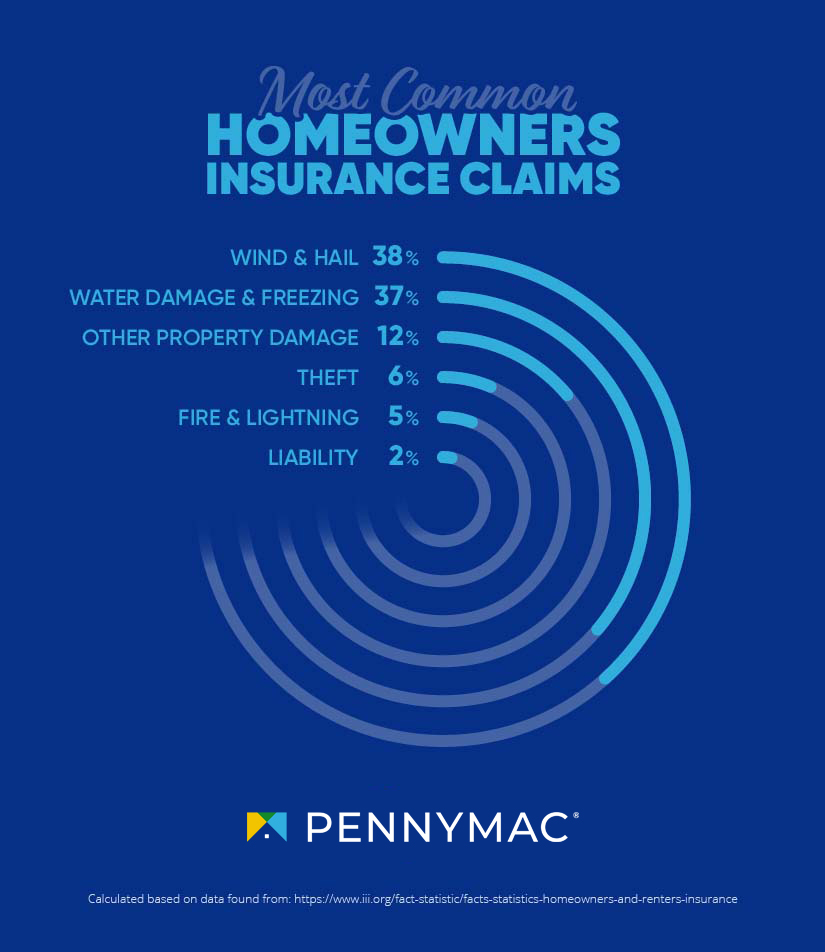
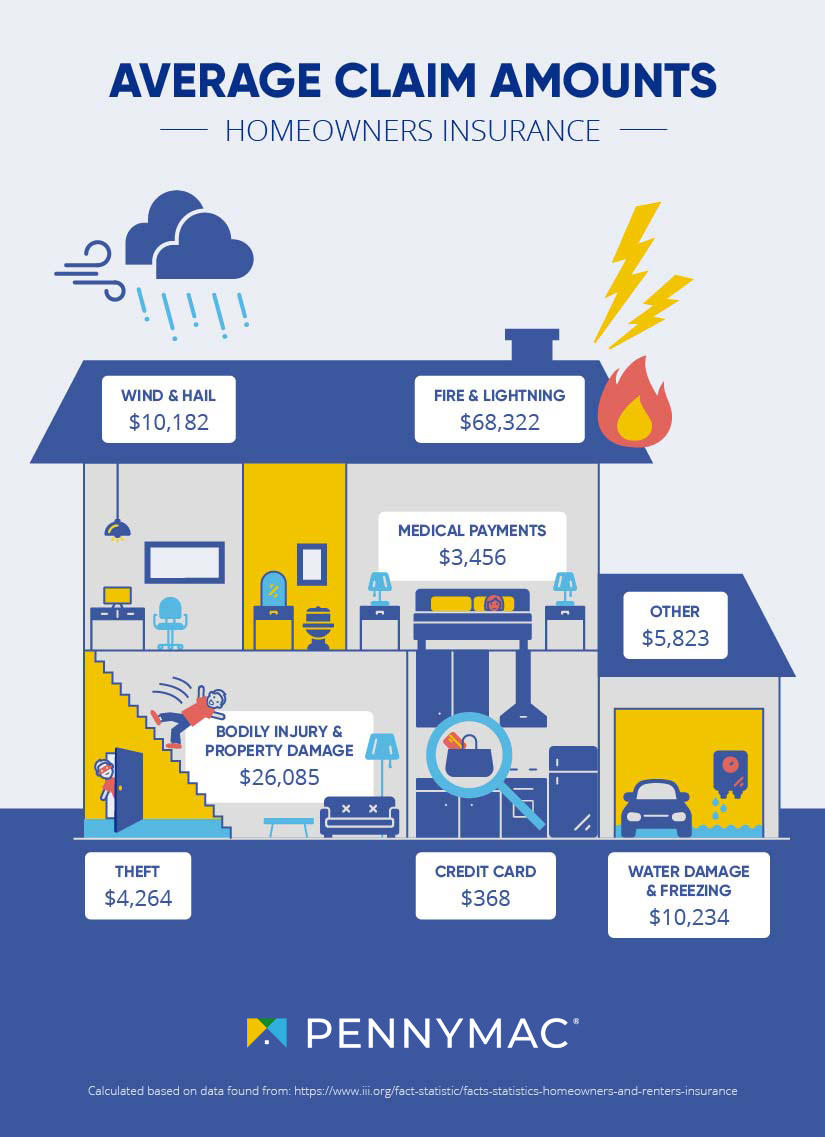
A standard homeowners insurance policy typically covers many of the risks that could damage your home, such as:
- Fire and smoke damage
- Hail damage
- Lightning strikes
- Windstorms, such as tornadoes
- Theft or vandalism
- Water damage from plumbing leaks
- Explosions from gas lines
- Damage from vehicles or aircraft
Five Main Areas of Coverage
Most policies are built around five key coverages. Here’s how each part works to protect you.
1. Dwelling Coverage
Dwelling coverage protects the structure of your home itself, such as the walls, roof, floors and built-in features like cabinets or appliances. If it’s attached to the house, it’s included in dwelling coverage.
2. Coverage for Other Structures
This applies to buildings and features not attached to your main home, like a detached garage, shed, fence or gazebo.
3. Personal Property Coverage
Personal property coverage provides reimbursement for your belongings inside the home, from furniture and clothing to electronics. Think of it this way: If you could pick up your house and shake it, anything that would fall out is insured by personal property.
4. Liability Protection
Liability protection helps if someone gets injured on your property or if you accidentally cause damage to someone else’s property. It can cover legal defense costs, medical bills or settlements up to your policy limit.
5. Loss of Use Coverage
If you experience significant damage to your home, your home may be uninhabitable during the repair process. If you need to move out of your home temporarily, loss-of-use coverage will pay for additional housing and living expenses, such as a hotel or rental.
What Are the Main Types of Homeowners Insurance?
There are different types of homeowners insurance policies, and each offers its own level of protection. The following are the most popular types:
HO-3: Standard Coverage (Most Common for Homeowners)
- Covers your home’s structure against all risks except those specifically excluded (like floods or earthquakes)
- Protects your personal belongings against named risks such as fire, theft or vandalism
- Includes liability coverage if someone is injured on your property
- Offers a balance of protection and cost, making it the most popular option for most homeowners
HO-5: Comprehensive Coverage
- Protects both your home and belongings from nearly all risks, except those specifically excluded
- Often provides higher limits for valuables like jewelry or electronics
- Costs more but offers the broadest level of protection
HO-6: Condo Insurance
- For condo owners, covering the interior of the unit and personal belongings
- The condo association’s policy usually covers the building exterior and common areas
Levels of Homeowners Insurance Coverage
Once you select your type of homeowners insurance policy, there are different coverage levels. Each offers varying protection for losses. The three primary levels of coverage in a homeowners insurance policy are:
- Actual Cash Value (ACV): Pays to repair or replace your home and belongings after subtracting depreciation.
- Example: If a 10-year-old sofa is damaged, the policy might pay what it’s worth now, not what it cost new.
- Replacement Cost (RCV): Covers the cost to rebuild or replace your home or belongings at today’s prices, without deduction for depreciation. Most lenders require this type of policy.
- Example: If your roof is destroyed, RCV helps you replace it with materials of a similar kind and quality at current costs.
- Guaranteed / Extended Replacement Cost: This option offers the highest protection by covering costs that exceed your policy limits, either by guaranteeing full reimbursement or paying extra (typically 20–25% beyond the stated limit).
- Example: Construction costs may surge after a major storm, but your policy still helps cover rebuilding, even beyond the original limits.
What’s Not Typically Covered
It’s always smart to know exactly what your homeowners insurance does—and doesn’t—cover. By understanding the limits of a standard policy, you can take steps to fill in the gaps and make sure your home and belongings are fully protected.
Here are some of the most common exclusions to be aware of:
Certain Natural Disasters
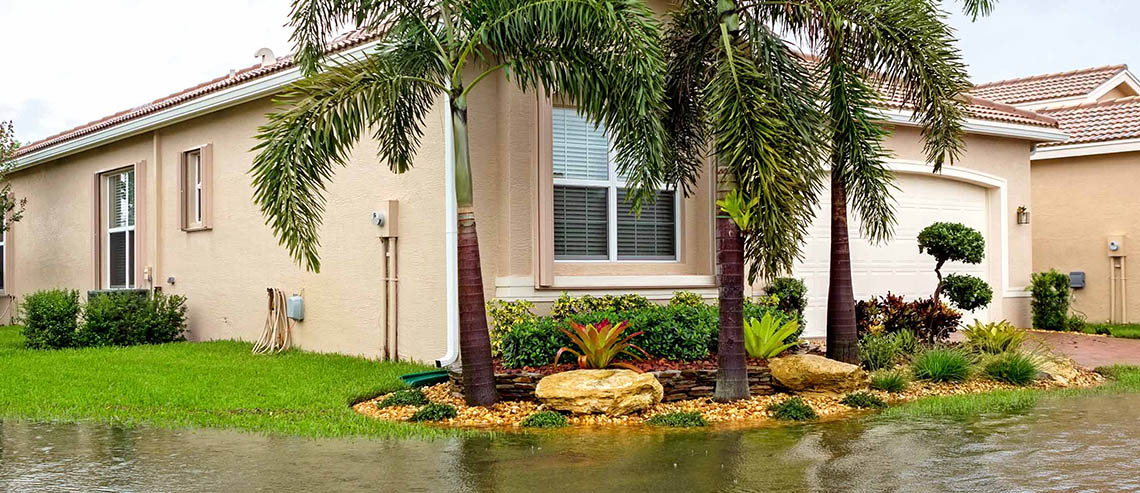
Natural events like earthquakes or floods are usually not included in standard coverage.
Ways to stay protected: Flood insurance is the most common add-on (and is required by most lenders in high-risk flood zones). Earthquake coverage may also be purchased separately if needed.
Is homeowners insurance really necessary?
It may surprise you to learn that most states don’t legally require you to have homeowners insurance. However, mortgage lenders do require it as a condition of the loan. Beyond that requirement, homeowners insurance is one of the best ways to protect yourself from unexpected losses, giving you financial security and peace of mind.
Why Mortgage Lenders Require Homeowners Insurance
When applying for a mortgage , your lender will require proof of homeowners insurance on the property before moving forward with your loan. This is because the lender is your partner when you buy a home with a mortgage, and they want to protect their investment.
Factors That Affect Homeowners Insurance Costs
Recent reports show that homeowners insurance premiums for the average U.S. policy cost $3,303 per year, but that figure can vary widely. Let’s break down some of the common factors that can influence what you’ll pay:
Location
- Homes in areas with higher risk—like those prone to storms, wildfires, floods or crime—typically come with higher premiums, while being close to a fire station can sometimes lower your rates
Home Features and Value
- Newer homes are generally cheaper to insure. They are more likely to be built to modern building codes and to have updated electrical and plumbing systems.
- Larger homes or properties with pools, finished basements or other add-ons cost more to cover since they’re more expensive to repair or replace
Coverage Choices
- Comprehensive policies and lower deductibles raise premiums, while higher deductibles lower them
- The coverage limits you choose for your dwelling, personal property and liability also affect your rate
Claims and Credit History
- A history of frequent claims often results in higher premiums
- In many states, insurers use a credit-based insurance score to help decide your premium. This is not the same as your regular credit score, but it still looks at how you manage money, like paying bills on time and how much debt you carry. Better credit usually means lower costs.
Building Costs and Inflation
- Rising construction and labor costs in your area directly impact your premium
- Insurers base pricing on the cost to rebuild, not your home’s market value
Tips for Choosing the Right Homeowners Insurance Policy
To choose the right homeowners insurance policy, you’ll want to consider your risks, needs and budget. Here are tips to help you select wisely:
Shop Around for Quotes
When you’re shopping for coverage, don’t stop at the first offer. Get quotes from several insurers so you can weigh both the price and the level of protection to find the best value for your home.
Balance Your Deductible and Premium
Your deductible is the amount you pay out of pocket for covered services before insurance begins to pay. A higher deductible can lower your monthly premium, but be sure it’s an amount you could manage if disaster strikes.
Understand What Isn’t Covered
Standard homeowners policies don’t cover floods or earthquakes. If you live in a high-risk area, your lender may require separate flood insurance, often through FEMA’s National Flood Insurance Program. Earthquake insurance is also available as an add-on or separate policy in many states.
Look for Ways to Save
When comparing policies, check what discounts each insurer offers. Savings are often available for upgrades like monitored alarm systems or bundling your home and auto coverage.
Consider Coverage Type Carefully
Keep the differences between actual cash value, replacement cost or extended replacement coverages in mind when selecting a policy. The payout type you choose will directly affect what you receive if you need to file a claim.
Consider Rebuilding Costs
Insurance is based on the cost to rebuild your home, not its real estate market value. Rising construction costs in your area could affect how much coverage you need.
Review Your Coverage Annually
Life changes like renovations, new belongings or finishing a basement can leave you underinsured if your policy isn’t updated.
Protect Your Credit Score
Since many insurers factor credit-based insurance scores into premiums, keeping your credit healthy could save you money. Pay bills on time, reduce debt where possible and check your credit report regularly for errors.
Think Long-Term, Not Just Monthly Costs
The cheapest policy isn’t always the best. Consider whether the coverage limits and protections are enough to help you recover fully after a loss.
Share
Categories